العربية
Common Illnesses | Infectious Diseases, Family Health | Social Issues, Miscellaneous
High Blood Pressure Symptoms: 15 Warning Signs You Should Never Ignore | Gardenia Pharmacy
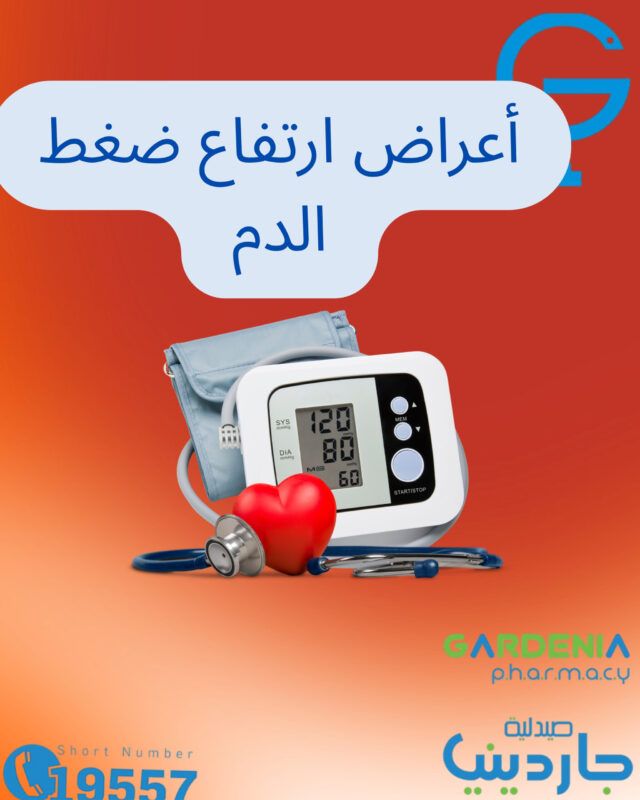
Apr
High Blood Pressure Symptoms: Your Complete Guide to Recognizing the Warning Signs Before It’s Too Late


High blood pressure — medically known as hypertension — is one of the most common yet dangerous chronic conditions worldwide. What makes it particularly alarming is that most people who have it experience no symptoms at all, which is exactly why doctors call it “the silent killer.”Without regular checkups, high blood pressure can quietly damage your heart, arteries, kidneys, and brain over years — often leading to life-threatening complications like heart attacks, strokes, and kidney failure before any noticeable signs appear.
In this comprehensive guide from Gardenia Pharmacy, we will walk you through everything you need to know about high blood pressure symptoms — from the subtle early warning signs to the emergency red flags, including symptoms specific to women and during pregnancy, and when you should seek immediate medical attention.
What Is High Blood Pressure?

Blood pressure refers to the force that your blood exerts against the walls of your arteries as it flows through them. It is measured using two numbers:
- Systolic pressure (top number): The pressure in your arteries when your heart beats and pumps blood.
- Diastolic pressure (bottom number): The pressure in your arteries when your heart rests between beats.
A normal blood pressure reading is below 120/80 mmHg. According to the American Heart Association (AHA), blood pressure categories are as follows:
- Normal: Below 120/80 mmHg.
- Elevated: Systolic 120–129 mmHg and diastolic below 80 mmHg.
- Stage 1 Hypertension: Systolic 130–139 mmHg or diastolic 80–89 mmHg.
- Stage 2 Hypertension: Systolic 140 mmHg or higher, or diastolic 90 mmHg or higher.
- Hypertensive Crisis: Systolic higher than 180 mmHg and/or diastolic higher than 120 mmHg — this requires immediate medical attention.
Why Is High Blood Pressure Called “The Silent Killer“?
High blood pressure earned the name “silent killer” because it typically produces no obvious symptoms for years — sometimes even decades. In fact, more than 40% of adults with hypertension do not even know they have it. The condition develops gradually, damaging arteries and organs long before any warning signs appear.
The only reliable way to know if you have high blood pressure is to have it measured regularly — either at your doctor’s office or at home using a validated blood pressure monitor.
However, when blood pressure reaches dangerously high levels (typically 180/120 mmHg or above), certain symptoms may emerge. These symptoms signal a medical emergency and require immediate attention.
Common High Blood Pressure Symptoms
While most people with hypertension experience no symptoms, there are important warning signs that may appear — especially when blood pressure is significantly elevated or has been high for a prolonged period. Here are the most common high blood pressure symptoms to watch for:
1. Severe or Persistent Headaches
One of the most frequently reported symptoms of very high blood pressure is a severe, sudden headache — often described as a pounding or throbbing pain at the back of the skull. Early-morning headaches that are persistent and dull can also be related to elevated nighttime blood pressure. If you experience headaches that do not respond to regular pain relievers, you should check your blood pressure immediately.
2. Dizziness and Lightheadedness
Feeling unsteady, dizzy, or lightheaded — particularly if it comes on suddenly — can be a sign of high blood pressure affecting blood flow to the brain. While occasional dizziness can have many causes, persistent or sudden episodes accompanied by other symptoms warrant a blood pressure check.
3. Blurred or Double Vision
The eyes contain delicate blood vessels that are vulnerable to damage from sustained high blood pressure. This damage, known as hypertensive retinopathy, can cause blurred vision, double vision, or even temporary vision loss. Regular eye exams can sometimes reveal high blood pressure before other tests do.
4. Shortness of Breath
When blood pressure remains elevated over time, the heart has to work harder to pump blood. This extra strain on the heart can cause shortness of breath — especially during physical activity, climbing stairs, or even while lying down.
5. Nosebleeds (Epistaxis)
While nosebleeds have many potential causes, frequent or unexplained nosebleeds can sometimes accompany sudden spikes in blood pressure. Repeated nosebleeds — particularly without an obvious trigger — deserve a medical evaluation.
6. Chest Pain or Tightness
Chest pain or a sensation of pressure in the chest can indicate that high blood pressure is putting significant strain on the heart. This is a serious symptom that requires immediate emergency care, as it may signal a heart attack or other cardiac complications.
7. Tinnitus (Ringing in the Ears)
Some people with high blood pressure report hearing a ringing, buzzing, or pulsating sound in their ears. This can result from increased pressure in the blood vessels near the inner ear.
8. Facial Flushing
Sudden redness in the face can occur during high blood pressure episodes due to the dilation of blood vessels under the skin. While facial flushing alone is not always alarming, it becomes more significant when accompanied by other symptoms.
9. Fatigue or Confusion
Uncontrolled hypertension can impair blood flow to the brain, leading to persistent tiredness, difficulty concentrating, mental fogginess, or episodes of confusion. If you feel constantly exhausted without a clear explanation, elevated blood pressure could be a contributing factor.
10. Irregular Heartbeat (Palpitations)
High blood pressure can enlarge or strain the heart muscle over time, which may contribute to irregular heartbeat, heart fluttering, or palpitations.
11. Blood in the Urine (Hematuria)
In advanced cases, high blood pressure can damage the kidneys — one of its most serious long-term complications. Blood in the urine is a concerning sign that requires urgent medical evaluation.
12. Nausea or Vomiting
These symptoms can accompany dangerously high blood pressure levels and are often part of a hypertensive crisis — a medical emergency requiring immediate treatment.
Symptoms of Mild High Blood Pressure
In the early stages, mild hypertension typically causes no noticeable symptoms — which is precisely why it goes undetected in so many people. However, some individuals may notice subtle signs, including:
- Mild, recurring headaches — especially in the morning.
- Feeling unusually tired or fatigued without significant exertion.
- Occasional dizziness that comes and goes.
- Slight difficulty concentrating or feeling mentally foggy.
These symptoms are easily dismissed as stress or general tiredness. That is why regular blood pressure screening is essential — even if you feel perfectly fine. Adults should have their blood pressure checked at least once a year, and more frequently if they have risk factors.
Stress-Related High Blood Pressure (Nervous Hypertension)
Stress-related or nervous hypertension refers to temporary spikes in blood pressure triggered by emotional stress, anxiety, anger, or intense psychological pressure. When you experience stress, your body releases hormones like adrenaline and cortisol, which cause your heart rate to increase and blood vessels to constrict — resulting in a temporary rise in blood pressure.
Unlike chronic hypertension, stress-related blood pressure spikes are usually temporary — readings return to normal once the stressor passes. However, repeated stress episodes over time can contribute to the development of chronic hypertension.
Common symptoms of stress-related high blood pressure include:
- Sudden headaches: Often appearing during or immediately after stressful situations, typically at the back of the head.
- Rapid heartbeat: A pounding or racing sensation in the chest that can be mistaken for a heart attack.
- Insomnia and sleep disturbances: Difficulty falling asleep or frequent nighttime awakenings due to racing thoughts and anxiety.
- Acute anxiety episodes: Intense feelings of fear, panic, or dread without a clear external threat.
- Facial flushing and excessive sweating: Physical manifestations of the body’s stress response.
- Trembling hands: Noticeable shaking that occurs during or after highly stressful events.
Important: If stress and anxiety persist over long periods without management, temporary blood pressure spikes can evolve into chronic hypertension. Effective stress management — through regular exercise, relaxation techniques, and professional support when needed — plays a critical role in preventing this progression.
High Blood Pressure Symptoms in Women
Women can experience the same high blood pressure symptoms as men, but certain factors make women uniquely vulnerable to hypertension at different stages of life. Additionally, some symptoms may present differently or be more pronounced in women.
Symptoms that women should particularly watch for include:
- Severe, recurring headaches — especially around menstrual cycles or during menopause.
- Chronic fatigue and unexplained tiredness.
- Swelling in the feet, ankles, or hands.
- Dizziness and visual disturbances.
- Shortness of breath with minimal physical effort.
- Chest pain or heart palpitations.
Causes of High Blood Pressure in Women
Several factors can contribute to high blood pressure in women specifically:
- Hormonal birth control: Certain oral contraceptives can raise blood pressure in some women.
- Hormonal changes during menopause: The decline in estrogen levels after menopause is linked to an increased risk of hypertension.
- Pregnancy: High blood pressure during pregnancy (gestational hypertension) is a common and potentially serious complication.
- Obesity: One of the strongest risk factors for hypertension in women.
- Chronic stress: Women often juggle multiple responsibilities, which can contribute to sustained psychological stress.
- Family history: A genetic predisposition to high blood pressure increases the risk.
- Autoimmune conditions: Conditions like lupus can increase susceptibility to hypertension.
Causes of Sudden High Blood Pressure Spikes in Women
Sudden, unexpected rises in blood pressure in women can be triggered by:
- Acute emotional stress or psychological shock.
- Excessive salt or caffeine intake.
- Missing a dose of blood pressure medication.
- Severe pain or acute infection.
- Certain medications, including NSAIDs (non-steroidal anti-inflammatory drugs) and decongestants.
- Thyroid disorders or kidney problems.
High Blood Pressure Symptoms while Pregnant

High blood pressure during pregnancy is a serious concern that affects approximately 1 in 10 pregnancies. It demands close monitoring because it can lead to dangerous complications for both mother and baby.
There are several types of hypertensive disorders during pregnancy:
- Gestational hypertension: High blood pressure that develops after 20 weeks of pregnancy without other organ damage. It usually resolves after delivery.
- Preeclampsia: A more serious condition involving high blood pressure along with signs of organ damage — typically the kidneys (protein in the urine) and potentially the liver and brain.
- Eclampsia: A severe, life-threatening complication of preeclampsia that causes seizures.
- Chronic hypertension: High blood pressure that existed before pregnancy or develops before 20 weeks.
Warning Symptoms of High Blood Pressure in Pregnancy
- Severe, persistent headaches that do not respond to usual pain relief.
- Sudden swelling of the face, hands, and feet (beyond normal pregnancy swelling).
- Rapid, unexplained weight gain (due to fluid retention).
- Visual changes — blurred vision, seeing spots or flashing lights, or sensitivity to light.
- Severe pain in the upper right abdomen (under the ribs).
- Nausea or vomiting that is different from typical pregnancy morning sickness.
- Decreased urine output.
- Shortness of breath, especially when lying down.
Preeclampsia: When Is the Risk Greatest?
Preeclampsia is a serious pregnancy complication characterized by high blood pressure combined with protein in the urine and/or signs of organ damage. It typically develops after the 20th week of pregnancy and can progress rapidly. Key signs of preeclampsia include:
- Blood pressure of 140/90 mmHg or higher.
- Protein in the urine (proteinuria).
- Severe body swelling (edema).
- Persistent, severe headaches.
- Visual disturbances.
- Upper abdominal pain.
- Low platelet counts.
- Elevated liver enzymes.
Risk factors for preeclampsia include first pregnancy, being over 35 years old, carrying multiple babies, having a history of preeclampsia, obesity, pre-existing conditions like diabetes or kidney disease, and family history.
Important: If you are pregnant and experience any of these symptoms, contact your healthcare provider immediately. Early detection and monitoring can protect both mother and baby from serious — and potentially life-threatening — complications. Regular prenatal visits are your best defense.
When Does High Blood Pressure Become Chronic?
High blood pressure is considered chronic when it remains consistently elevated over a prolonged period and does not return to normal without medication and/or significant lifestyle changes.
There are two main types of chronic hypertension:
- Primary (essential) hypertension: This is the most common type, accounting for 90–95% of all cases. It has no single identifiable cause but develops gradually over years due to a combination of genetic factors, aging, lifestyle habits (poor diet, lack of exercise, smoking), and obesity.
- Secondary hypertension: This accounts for 5–10% of cases and results from an underlying medical condition — such as kidney disease, thyroid disorders, adrenal gland tumors, or certain medications. Secondary hypertension tends to appear suddenly and cause higher blood pressure than primary hypertension.
If left untreated, chronic high blood pressure can lead to serious and potentially life-threatening complications, including:
- Heart disease and heart failure.
- Stroke.
- Kidney damage and chronic kidney disease.
- Vision loss due to retinal damage.
- Peripheral artery disease.
- Cognitive decline and dementia.
- Sexual dysfunction.
Low Blood Pressure Symptoms: Understanding the Difference
It is also important to understand the difference between high and low blood pressure symptoms, as some signs can overlap. Low blood pressure (hypotension) is generally defined as a reading below 90/60 mmHg.
Common symptoms of low blood pressure include:
- Dizziness or lightheadedness — especially when standing up suddenly.
- Fainting or feeling like you might faint.
- Blurred vision.
- Nausea.
- Fatigue and general weakness.
- Difficulty concentrating.
- Cold, clammy, or pale skin.
- Excessive thirst.
- Rapid, shallow breathing.
Key difference: Low blood pressure symptoms tend to be more immediately noticeable and apparent than those of high blood pressure, which often remains silent. However, both conditions require regular monitoring and appropriate management.
When Should You Seek Emergency Care?
You should call emergency services or go to the nearest emergency room immediately if you experience any of the following:
- Severe, sudden headache that does not respond to pain medication.
- Chest pain or tightness.
- Severe difficulty breathing.
- Sudden vision changes or loss of vision.
- Sudden numbness or weakness on one side of the body.
- Difficulty speaking or understanding speech.
- Heavy, persistent nosebleeds.
- A blood pressure reading above 180/120 mmHg.
- Back pain accompanied by other symptoms listed above.
These symptoms may indicate a hypertensive crisis — a medical emergency that can lead to stroke, heart attack, or organ damage if not treated immediately.
Tips to Prevent and Manage High Blood Pressure

The good news is that simple lifestyle changes can make a significant difference in preventing or controlling high blood pressure. Here are evidence-based strategies recommended by leading health organizations:
- Reduce sodium intake: Limit salt consumption and avoid heavily processed foods.
- Eat a heart-healthy diet: Focus on fruits, vegetables, whole grains, lean proteins, and healthy fats. The DASH diet (Dietary Approaches to Stop Hypertension) is particularly effective.
- Exercise regularly: Aim for at least 150 minutes of moderate aerobic activity (such as brisk walking, swimming, or cycling) per week.
- Maintain a healthy weight: Losing even 5–10% of excess body weight can significantly lower blood pressure.
- Quit smoking: Smoking damages blood vessels and accelerates arterial stiffening.
- Limit alcohol consumption: Excessive alcohol intake raises blood pressure.
- Manage stress: Practice relaxation techniques such as deep breathing, meditation, yoga, or spending time in nature.
- Monitor your blood pressure regularly: Especially if you have risk factors, check your blood pressure at home and keep a log for your doctor.
- Take medications as prescribed: If your doctor has prescribed blood pressure medication, take it consistently and never stop it without medical advice.
- Stay hydrated: While water alone does not lower high blood pressure, adequate hydration supports overall cardiovascular health.
- Get enough sleep: Poor sleep quality is linked to higher blood pressure. Aim for 7–9 hours per night.
Frequently Asked Questions About High Blood Pressure Symptoms
Does high blood pressure always cause symptoms?
No. In fact, high blood pressure usually causes no symptoms at all, which is why it is called “the silent killer.” Symptoms typically only appear when blood pressure reaches dangerously high levels or when the condition has caused significant organ damage. Regular screening is the only reliable way to detect it.
Stress-related (nervous) hypertension is temporary and directly linked to emotional stress or anxiety — blood pressure returns to normal once the stressor passes. Chronic hypertension is a persistent condition that requires ongoing treatment with medication and lifestyle changes. However, prolonged, unmanaged stress can eventually contribute to the development of chronic hypertension.
Is high blood pressure dangerous during pregnancy?
Yes. High blood pressure during pregnancy can be very dangerous for both the mother and baby. It increases the risk of preeclampsia, premature birth, low birth weight, placental abruption, and in severe cases, seizures (eclampsia). Regular prenatal care and blood pressure monitoring are essential for a safe pregnancy.
Can drinking water lower high blood pressure?
Drinking water is not a treatment for high blood pressure. However, staying properly hydrated supports overall cardiovascular health and helps your body function optimally. It is generally recommended to drink about 8 glasses of water daily as part of a healthy lifestyle.
What is considered a normal blood pressure reading?
A normal blood pressure reading is below 120/80 mmHg. Readings between 120–129 systolic and below 80 diastolic are considered elevated and should be monitored. Anything at or above 130/80 mmHg is considered hypertension by current guidelines.
Can high blood pressure be cured permanently?
Primary (essential) hypertension — which accounts for the vast majority of cases — generally requires lifelong management through medication and lifestyle changes. It cannot be “cured” but can be effectively controlled. Secondary hypertension, caused by an underlying condition, may resolve if the root cause is treated successfully.
How often should I check my blood pressure?
If your blood pressure is normal and you have no risk factors, an annual check is recommended. If you have elevated readings, a family history of hypertension, or other risk factors, more frequent monitoring — including home blood pressure checks — is advisable. Discuss the right schedule with your healthcare provider.
Gardenia Pharmacy — Your Health Is Our Priority!
Need blood pressure monitors, heart health supplements, or prescription medications? Call our hotline 19557 or order online at gardeniapharmacies.com — we deliver right to your doorstep.